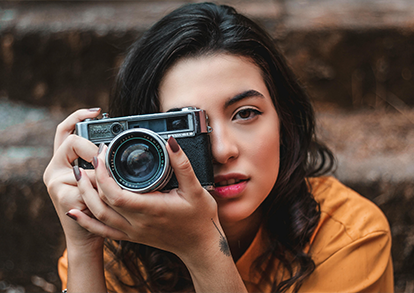



From Lens to Life: The Journey of a Perfect Photograph
We see a striking image on a screen or framed on a wall, and our eyes immediately catch the emotion, the lighting, and the frozen fraction of a second. But a photograph isn’t just made when the shutter clicks—it is born long before the event begins and lives on long after the last guest departs.
Behind every timeless image is a hidden journey. Here is how a single fleeting moment transforms from a simple light beam entering a camera lens into a lifelong memory.
Phase 1: The Invisible Prep Work
Long before turning on the camera, a photographer spends hours setting the stage for success. Great photography is rarely pure luck; it is meticulous preparation meeting spontaneous opportunity.
- Understanding the Flow: Reviewing event timelines, venue layouts, and key focal points to anticipate high-energy moments before they happen.
- Mastering the Gear: Selecting specific lenses—fast prime lenses for soft background blur and intimate portraits, or versatile zoom lenses for fast-paced crowd action.
- Reading the Room: Analyzing the venue's natural light sources and calculating where supplemental lights or off-camera flashes need to be placed.
Phase 2: The Art of the Capture
When the event begins, the camera becomes an extension of the photographer's instincts. Capturing a powerful moment requires balancing technical precision with emotional intuition in real time.
 Anticipation         Composition           Technical Execution
(Reading body    ---> (Rule of thirds, ---> (Aperture, shutter speed,
 language)             framing, angles)      ISO balanced instantly)
Whether it’s a candid burst of laughter or a dramatic entrance, the photographer has milliseconds to lock focus, adjust exposure, and compose the scene. The goal isn't just to record what took place, but to capture the atmosphere and raw feeling of the room.
Phase 3: The Digital Craft (Post-Processing)
A RAW image file directly out of a camera is like an unbaked cake—it contains all the essential ingredients, but it needs refining. Post-processing is where the raw data transforms into a visual story.
- Culling: Sifting through thousands of captures to extract only the strongest, most expressive frames.
- Color Grading: Adjusting highlights, shadows, and color tones to establish a consistent aesthetic—whether warm and golden, clean and vibrant, or moody and cinematic.
- Detailing: Correcting lens distortions, enhancing sharpness, and cropping to refine the viewer's focus.
Phase 4: From Digital Pixels to Real Life
An image truly comes to life when it moves off a hard drive and enters the world.
Whether delivered through an interactive digital gallery, shared across social networks, or printed on archival paper for a family album, a great photograph outlasts the event itself. Years down the line, pulling up that image instantly brings back the sounds, emotions, and atmosphere of that exact day.
The Takeaway
A photograph is a bridge between a moment that passed and a memory that remains. The next time you look at a photograph that moves you, remember the unseen path it took—from a quick glance through a glass lens to a permanent fixture in your life.